
The rain stops. The water stays. That's fixable.
Standing water. A swampy lawn. That damp basement smell. All of it has a cause. We find it, fix it once, and build the yard you wanted on top. French drains, regrading, erosion control. Based in East Cobb.
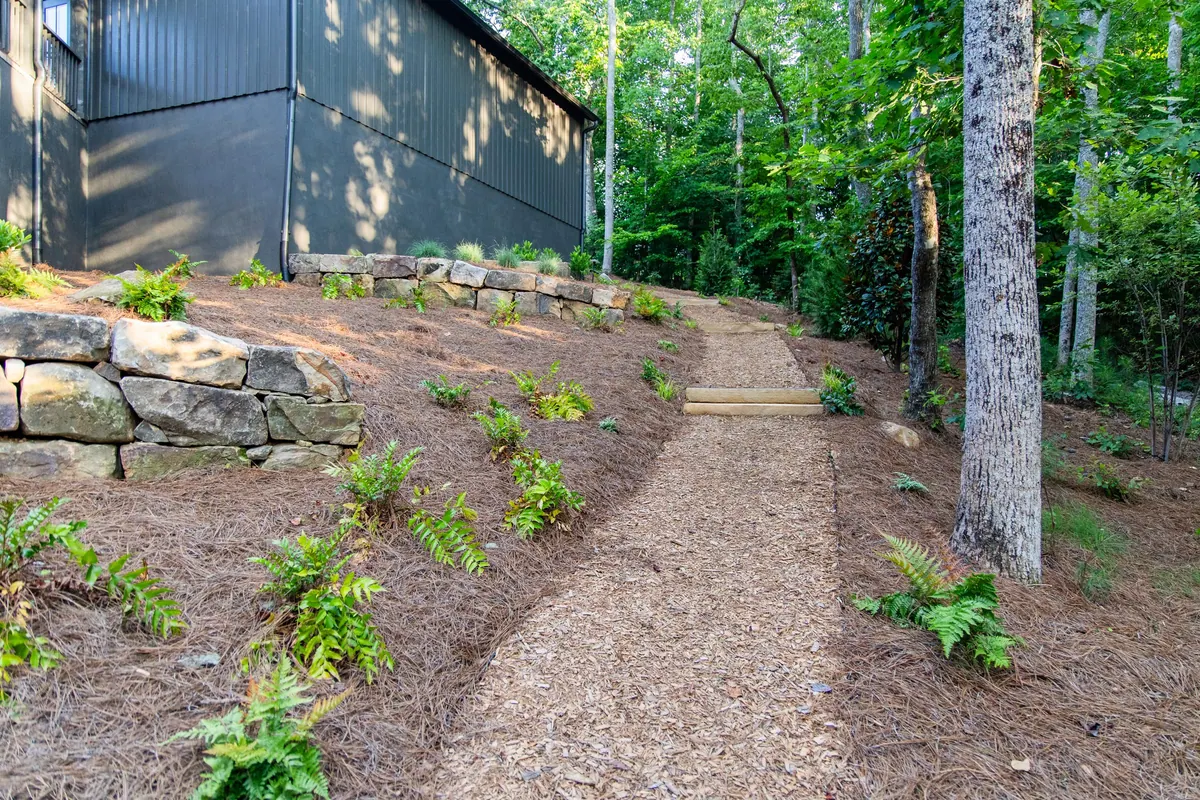
Drainage is the work no one sees. Get it wrong, and you redo everything that sits on top of it.
Drainage is the foundation under everything else we build. When water goes the wrong way, plantings die, patios shift, slopes wash out, and basement walls sweat. Get it right and nobody ever thinks about it again.
Most companies treat drainage as an afterthought. A French drain bolted onto the back of a patio bid. We draw the water plan before the patio plan. That's the order that keeps you from paying for the same yard twice.
- Standing water after every rain
- Soggy lawn that never dries out
- Wet or damp basement walls
- Slopes washing out in a storm
- Downspouts dumping at the foundation
- A yard that stays muddy for days
- French drains piped to a daylight discharge
- Yard regrading to pull water away from the house
- Subsurface drainage under hardscape and foundations
- Slope stabilization and erosion control
- Downspouts routed underground and away
- Catch basins and dry wells where daylight isn't available
What booking a walkthrough actually gets you.
Four steps. No surprises. The same process on every job we run.
Walkthrough
We come out, walk the property, and figure out where the water actually goes, not where you think it goes. We'll walk it in the rain if that's what it takes. No high-pressure sale. No deposit asked for at the curb.
Fixed plan
Drawings showing drain placement, regrade lines, and discharge points. Written scope, real materials, fixed price. You see what you're paying for and where the water ends up before you sign anything.
Build
Our crew, on site daily. Excavator and dirt work done right: pipe slope, gravel envelope, geotextile, discharge. No shortcuts on the parts no one sees. One project lead reachable by phone.
Finish + warranty
Final walkthrough on the property, ideally after the first big rain, so you watch it work. Written workmanship coverage. One phone number for the life of the project if anything needs attention.
"I had issues with improper drainage and erosion behind my fence. They were communicative every step of the way, and offered me multiple solutions."Phala G. Reed, Google review
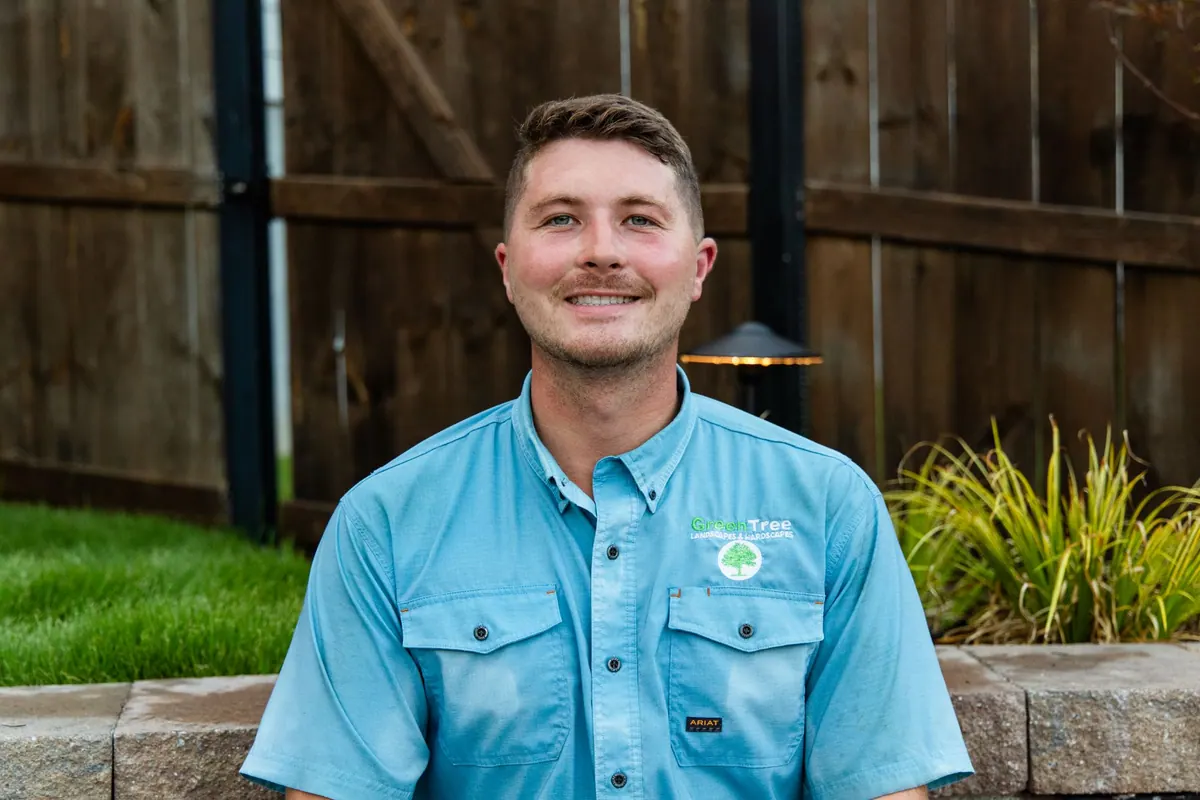
GreenTree was built because drainage was the work everyone botched. The dig crews didn't plan. The designers didn't dig. So we built one company that does both. It's why so many of our drainage calls start with someone else's failed fix.
The parts you never see decide whether it holds. Right pipe slope. Right gravel envelope. Right discharge point. If we don't trust a fix, we don't install it. We'd rather lose the job than come back to dig out our own pipe.
The drainage work we take on.
Six categories of drainage work, planned and managed by GreenTree.
French Drains
A French drain collects water through gravel and a perforated pipe. Whether it fits your yard depends on where the water is coming from and where it can discharge. A drain needs a suitable outlet as well as a collection point.
Yard Regrading
Sometimes the shape of the ground sends surface water toward the house or traps it in a low spot. Regrading changes that route. The plan must also account for existing patios, planting, and the surrounding property.
Downspout Drainage
Roof runoff can put a lot of water in one place. Routing a downspout underground may help move it away from a problem area, provided there is a suitable destination. Blueberry Ridge includes buried drainage within a larger yard build.
Catch Basins & Dry Wells
A catch basin collects surface water and directs it into drainage piping. A dry well allows water to soak into the surrounding soil. They serve different purposes, and soil conditions affect whether a dry well is suitable.
Erosion Control
Look at where soil is being lost and how water reaches that area. Ground cover, grading, and drainage may all play a part. The useful answer depends on the cause, not simply covering the bare spot again.
Slope Stabilization
A hillside may need a combination of planting, drainage, grading, or retaining structures. The slope and the planned use of the space guide those choices. We consider this work as part of a complete landscape renovation.
What people ask before they book.
How much does drainage work cost?
Our work starts at $20,000. That's the company floor, and drainage is no exception. Drainage usually rides along with a bigger build anyway. A patio going in. A regrade. A full yard. If all you need is one short French drain run, we're probably not your crew. We'll tell you that on the first phone call, not after a wasted walkthrough. And if water is wrecking a yard you're about to invest in, that's exactly our job.
How do you figure out what's actually wrong with my yard?
A walkthrough. We come out and read the yard the way a plumber reads pipes. Grading, downspout placement, erosion patterns, soil. He's after the cause, not the symptom. Drainage is almost always solvable. Diagnosing it right the first time is most of the job.
What causes standing water in a yard?
In the Atlanta metro, three usual culprits. Sometimes one, often two, occasionally all three. Clay soil that can't absorb a Georgia downpour. Grading that slopes toward the house or parks water in a low spot. Downspouts dumping at the foundation instead of draining away from it. We diagnose which on the walkthrough.
Do I need a French drain or regrading?
Depends on the symptom. Water that pools on the surface and drains off slowly usually means regrading. Cheaper, faster, and more durable when it's the right call. Water that sits in the soil after the surface dries, or shows up in the basement, usually means a French drain piped to daylight. Often it's both. We tell you on-site, not over the phone.
How long does drainage work take?
Drainage almost always runs as one phase of a bigger project, so the schedule depends on the build around it. The drainage phase itself is usually measured in days. Heavy regrading or drainage under new hardscape takes longer. Before the first shovel goes in, you get a written schedule with the start date, the milestones, and the target finish. You always know who's coming and when.
Will drainage work damage my existing landscape?
Trenching means dirt gets moved and sod gets cut. We protect what we can, re-sod what we can't, and re-plant any beds we cross. Trench lines disappear in one growing season. We'd rather over-restore at the end than leave you with a scar. See Landscape Design & Installation for the planting and grading side of full-yard work.
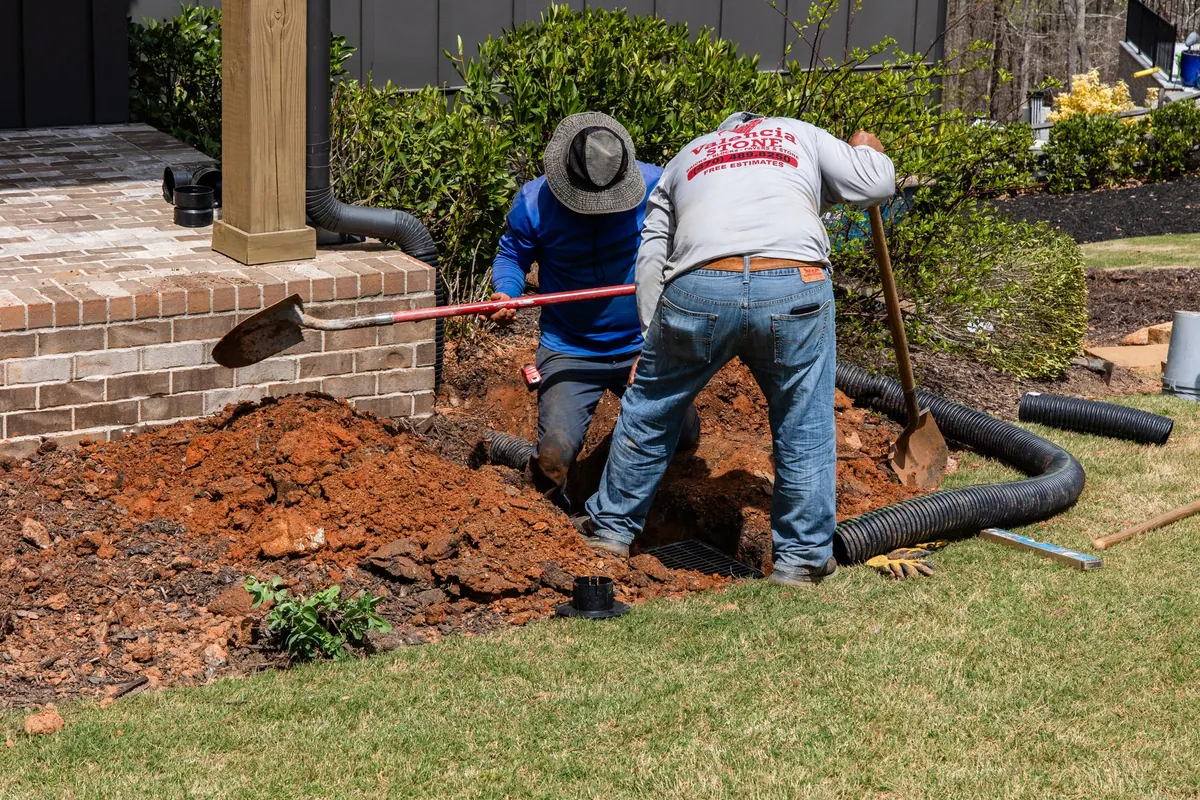
Landscape Design & Installation
Full-yard transformations where grading is part of the plan from day one.
Explore →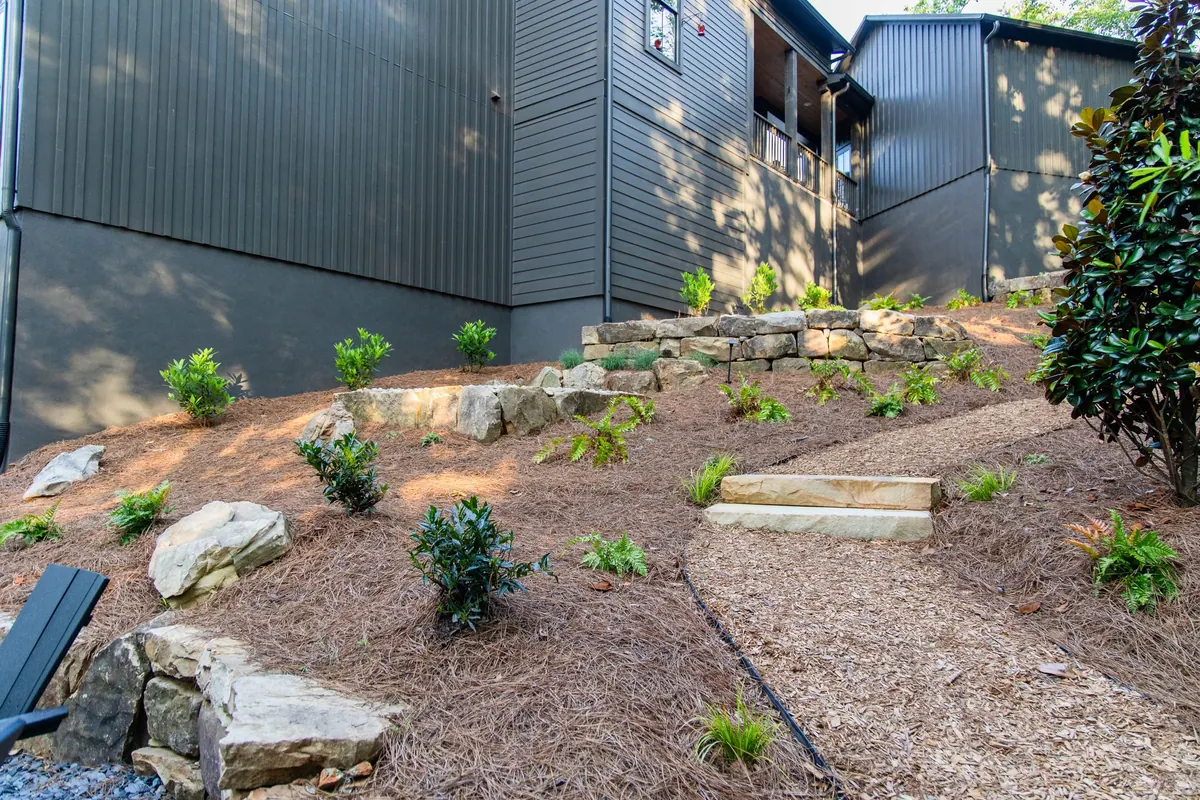
Hardscape & Patios
Patios, walls, walkways. Built on drainage that holds.
Explore →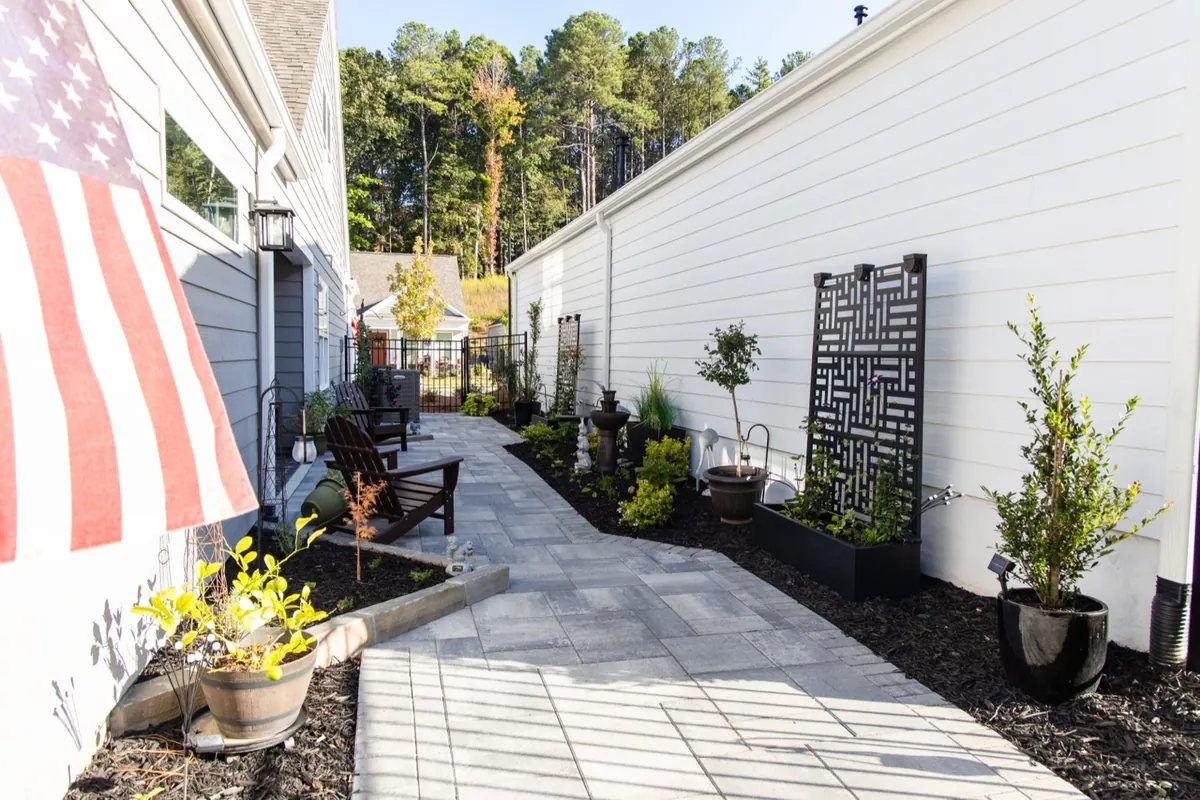
Outdoor Living
Outdoor kitchens, pergolas, lighting. For the yard that's finally dry enough to enjoy.
Explore →Yard flooding again? Let's walk it.
Water only ever does what the grade tells it to. We read the grade, find where the story goes wrong, and send you one plan with one number to fix it for good.
Schedule a walkthrough